September 18, 2026 · 5 min read
What dentists look for when hiring a dental assistant
A practicing dentist on the five things that decide a hire: anticipation, sterilization discipline, radiography status, attitude with patients, and reliability.
By Dr. Ryan Smith, owner and instructor
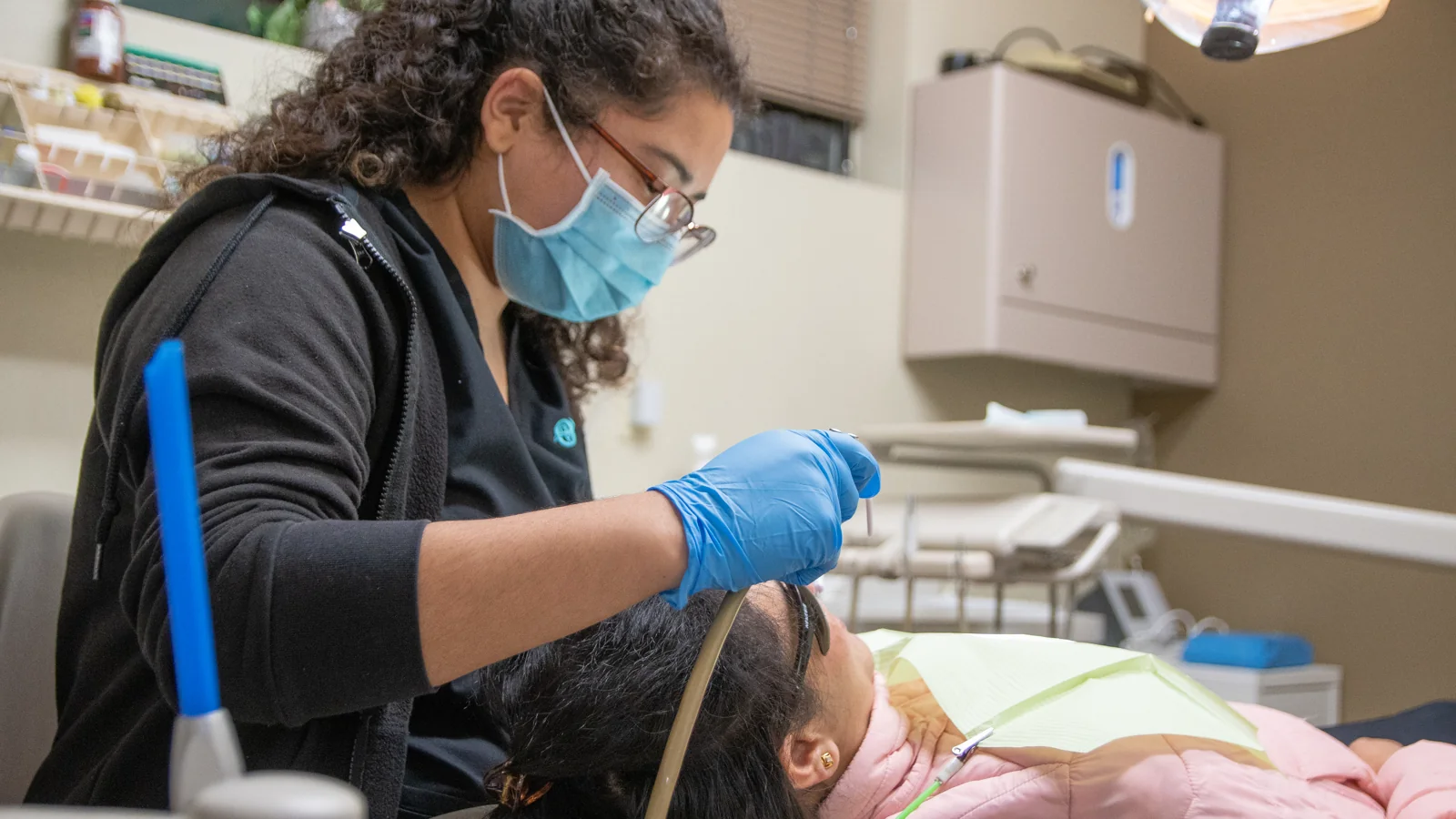
I hire dental assistants for my own practices, and I built this program around what I wish every new assistant walked in knowing. The resume gets you the interview. These five things get you the job, and they are what I tell our students to demonstrate in a working interview.
1. Anticipation
The difference between an assistant I can work with and one I cannot is whether the next instrument is in my hand before I ask. It comes from knowing the sequence of each procedure and watching the field, not the clock. In a working interview I watch whether the candidate follows the procedure or waits to be told.
2. Sterilization discipline
Infection control is where a practice’s reputation lives or dies, and the assistant runs it. I want someone who can walk me through the sterilization cycle without notes, who changes gloves without being reminded, and who would rather re-run a load than guess. The CDC’s dental infection-control guidance is the standard we teach to.
3. Radiography status
In Oregon an assistant who cannot take X-rays is half an assistant. I ask three questions: have you passed the DANB RHS exam, do you hold the Oregon Certificate of Radiologic Proficiency, and if not, are you within the six-month bridge where I can supervise you toward it. A new graduate who has already passed RHS is immediately more valuable than one who has not.
4. How you are with patients
Patients spend more time with the assistant than with me. I watch how a candidate greets a nervous patient, whether they explain what is about to happen, and whether they keep their composure when a procedure runs long. This cannot be taught in a week, which is why our program puts students in front of real patients during the externship.
5. Reliability
An assistant who is late unravels the schedule for the whole day. I check references for attendance specifically, and I ask the externship office one question: would you hire this person. A twelve-week program that meets two evenings a week is itself a reliability test, and our instructors tell me which students never missed a night.
What I do not weigh much
- Program length. A nine-month certificate and a twelve-week program produce the same first-week assistant if the hands-on training was real.
- Grades. I want to see the competency sheet, not the transcript.
- Previous industry. Some of my best assistants came from restaurants, retail and childcare. They already knew how to work on their feet and stay pleasant under pressure.
Common questions
What skills do dentists want in a new dental assistant?
Anticipation during procedures, strict infection control, radiography status (RHS passed or certificate in hand), warmth with patients, and reliability.
Do dentists care which dental assisting school you attended?
Less than students expect. They care whether you can run an operatory, take X-rays, and show up. A working interview tells them more than the school name.